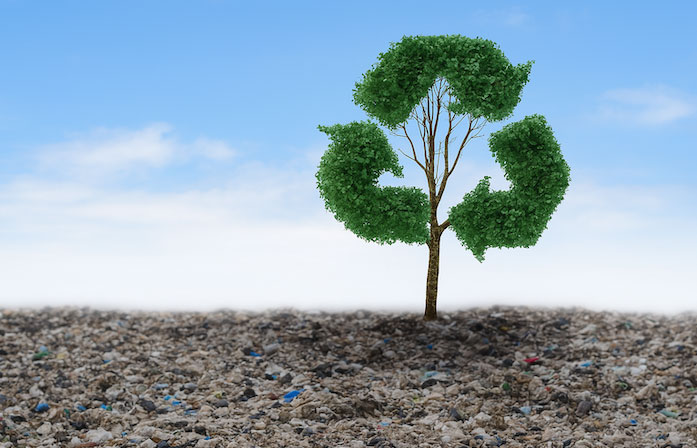
When we toss something into the bin, it’s easy to forget about it. But behind the scenes, a complex system manages our waste. One that plays a vital role in protecting both people and the planet. One of the most significant players in this system is the landfill. In South Africa, as in many countries, landfills are where most of our waste ends up. But what exactly are they, and why should we care?
What Is a Landfill?
A landfill is a designated site where waste is isolated from the surrounding environment to prevent contamination. Modern landfills are carefully engineered to handle various waste types while minimising their impact on soil, water, and air. They’re not just “big dumps”, they are regulated spaces designed with layers, liners, and systems to manage things like toxic liquids (leachate) and gas emissions.
Why Are Landfills Important?
Landfills provide a controlled method of waste disposal. Without them, our waste could end up polluting rivers, communities, and natural ecosystems. However, the goal of sustainable waste management is to reduce the amount of waste sent to landfills by increasing recycling, composting, and reusing materials.
The 3 Main Types of Landfills
South Africa classifies landfills based on the type of waste they are designed to hold. Here are three common examples:
1. General Waste Landfills
These are the most common and are used for everyday waste. Think of household rubbish, packaging, non-hazardous industrial waste, and garden refuse. These landfills are usually divided into:
– G: Class A or B depending on how strictly they are managed and monitored.
2. Hazardous Waste Landfills
These handle waste that poses a potential risk to human health or the environment, such as chemicals, pesticides, certain cleaning agents, and industrial by-products. Hazardous waste landfills require strict engineering, including multiple protective layers, gas collection systems, and long-term monitoring.
SOUTH AFRICA’S CHALLENGE
According to reports, South Africa generates over 122 million tonnes of waste every year—but only about 10% is recycled. That means the majority ends up in landfills, which are filling up fast. Some landfills are even nearing full capacity, leading to serious concerns about long-term waste management.
WHAT CAN WE DO?
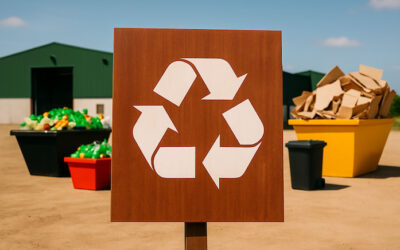
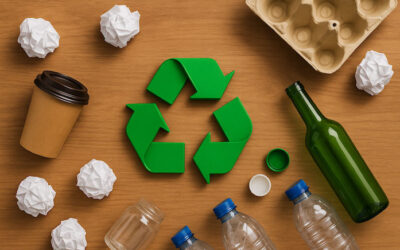
– Recycle more: Separate paper, plastic, glass, and metal.
– Compost: Organic waste can be turned into nutrient-rich compost.
– Reduce and Reuse: Buy in bulk, avoid single-use plastics, and repurpose items where possible.
By understanding more about how landfills work and why they exist, we become more conscious of our own waste habits, and better equipped to make a difference.